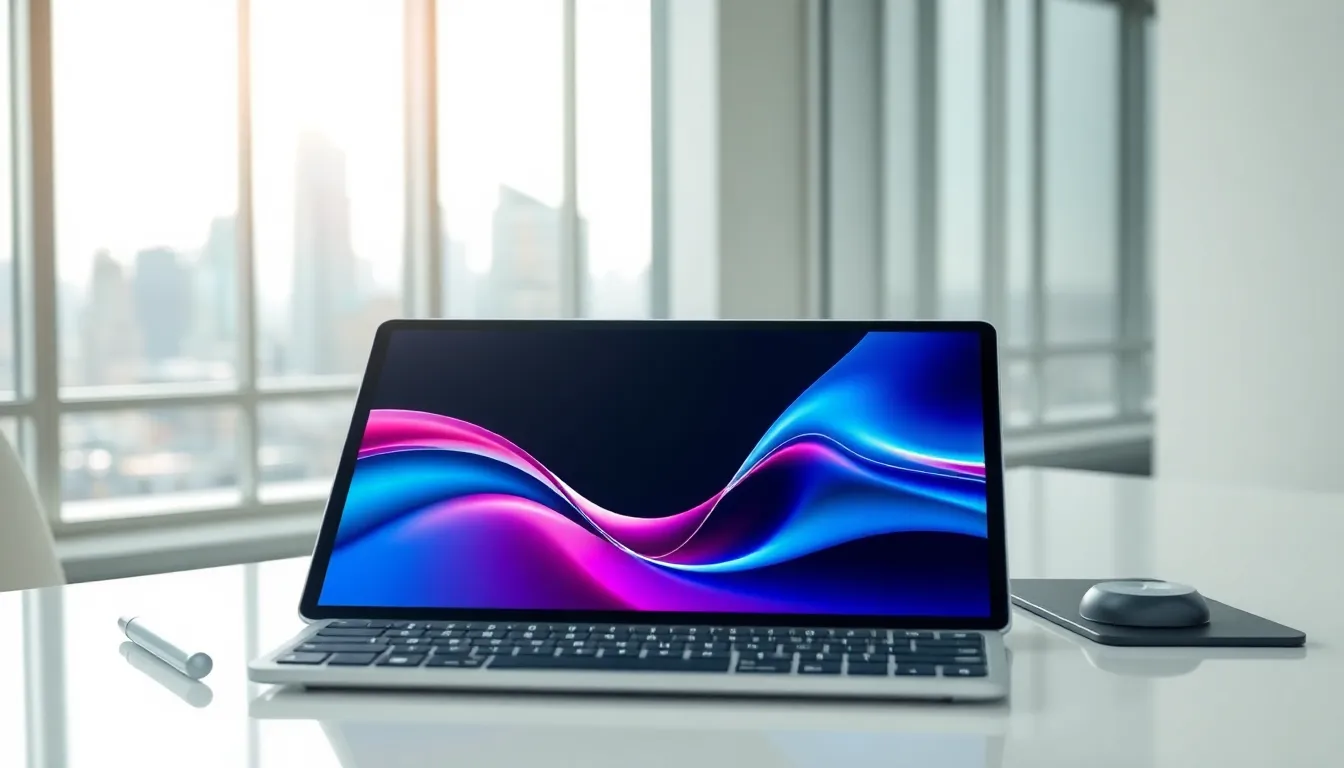
Tablet trends 2026 point toward major shifts in how people use these devices for work, entertainment, and creativity. Manufacturers are pushing boundaries with better displays, smarter AI features, and longer battery life. The tablet market continues to grow as consumers seek devices that bridge the gap between smartphones and laptops.
This year promises exciting developments across multiple fronts. From foldable screens to enhanced productivity tools, tablets are becoming more capable than ever. Here’s what buyers and tech enthusiasts should expect from tablets in 2026.
Table of Contents
ToggleKey Takeaways
- Tablet trends 2026 highlight major advancements in OLED and mini-LED displays with 120Hz+ refresh rates becoming standard across devices.
- On-device AI processing enables faster, more private performance for tasks like document summarization, real-time translation, and photo editing.
- New silicon-carbon batteries deliver 15–20 hours of active use, with fast charging reaching 50% in under 30 minutes.
- Foldable tablets are maturing with improved durability, reduced crease visibility, and stronger hinge mechanisms for enhanced portability.
- Desktop-mode software and improved stylus technology make tablets viable laptop replacements for productivity and creative work.
- Thunderbolt 4 connectivity and seamless cloud integration allow tablets to function as central hubs in multi-device workflows.
Advancements in Display Technology
Display quality remains a top priority for tablet manufacturers in 2026. OLED and mini-LED screens are becoming standard across mid-range and premium devices. These technologies deliver deeper blacks, brighter colors, and better energy efficiency than traditional LCD panels.
ProMotion and similar high-refresh-rate technologies are expanding beyond flagship models. Many tablets now offer 120Hz or even 144Hz refresh rates. This makes scrolling smoother and improves the experience for gaming and video playback.
Anti-reflective coatings and matte display options are gaining traction. These features reduce eye strain during long work sessions. Some manufacturers are also introducing paper-like screen textures for digital artists and note-takers.
Resolution continues to climb as well. 4K displays are appearing on larger tablets, while compact models often feature 2K screens. HDR support is becoming universal, giving users cinema-quality visuals for streaming content.
AI Integration and Smart Features
AI integration defines many tablet trends 2026 brings to market. On-device AI processing allows tablets to handle tasks without relying on cloud servers. This means faster response times and better privacy for users.
Smart assistants have grown more capable. They can now summarize documents, translate conversations in real time, and generate creative content. These features help professionals and students work more efficiently.
AI-powered photo and video editing tools are standard on many devices. Users can remove backgrounds, enhance images, and apply professional effects with a single tap. The processing happens locally, so edits complete in seconds.
Predictive text and voice recognition have improved significantly. Tablets learn individual speech patterns and typing habits over time. This personalization makes communication faster and reduces errors.
Some tablets now include AI health monitoring features. They can track posture, remind users to take breaks, and even analyze sleep patterns when used as bedside devices.
Improved Performance and Battery Life
Processors in 2026 tablets deliver desktop-class performance. Apple’s M-series chips and Qualcomm’s latest Snapdragon offerings power demanding applications with ease. Video editing, 3D modeling, and multitasking run smoothly on current hardware.
RAM configurations have increased across the board. Entry-level tablets often include 8GB, while professional models offer 16GB or more. This extra memory supports running multiple apps simultaneously without slowdown.
Battery technology has made real progress. New silicon-carbon batteries hold more charge in the same physical space. Many tablets now promise 15 to 20 hours of active use on a single charge.
Fast charging speeds have also improved. Some devices reach 50% capacity in under 30 minutes. Wireless charging is becoming common, and reverse wireless charging lets tablets power other devices.
Thermal management systems keep tablets cool during intensive tasks. Advanced heat dissipation designs prevent throttling, so performance stays consistent over extended sessions.
Evolving Form Factors and Foldable Designs
Foldable tablets represent one of the most exciting tablet trends 2026 has produced. These devices unfold to offer larger screen real estate while remaining portable. Samsung, Lenovo, and other manufacturers continue refining this technology.
Durability concerns are being addressed. New hinge mechanisms and stronger screen materials withstand thousands of folds. Crease visibility has decreased significantly compared to earlier generations.
Lightweight materials are making tablets easier to carry. Carbon fiber and magnesium alloy frames reduce weight without sacrificing strength. Some 11-inch tablets now weigh less than 400 grams.
Modular designs are emerging in the market. Certain tablets allow users to attach additional components like extended batteries or camera modules. This flexibility lets buyers customize devices for specific needs.
Screen sizes are diversifying as well. Compact 8-inch tablets serve readers and commuters. Meanwhile, 14-inch and larger models cater to creative professionals who need maximum workspace.
Enhanced Productivity and Accessories
Productivity features drive many tablet trends 2026 brings to consumers. Desktop-mode software continues to mature, letting tablets replace laptops for many users. Windowed multitasking, file management, and external monitor support work seamlessly.
Stylus technology has improved across brands. Lower latency makes writing and drawing feel more natural. Pressure sensitivity and tilt recognition match professional drawing tablets.
Keyboard accessories offer laptop-quality typing experiences. Backlit keys, trackpads, and adjustable angles come standard on premium options. Some keyboard cases include additional battery capacity.
Connectivity options have expanded. USB-C ports now support Thunderbolt 4 speeds on many devices. This allows connection to external drives, displays, and professional audio equipment.
Cloud integration makes switching between devices effortless. Documents, photos, and app data sync automatically. Users can start work on a tablet and continue on a phone or computer without interruption.
Collaboration tools built into tablet operating systems support remote teams. Screen sharing, annotation features, and video conferencing optimizations help professionals stay connected.