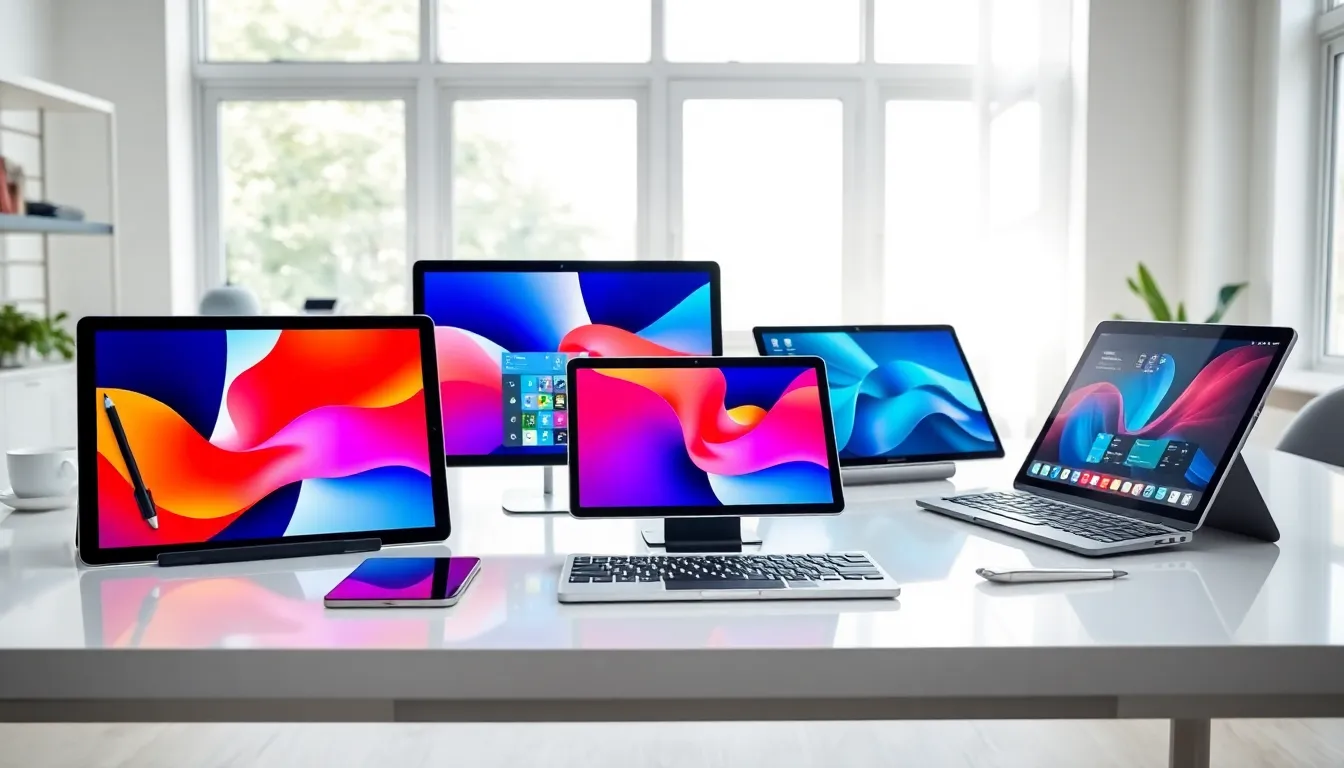
Tablets examples range from high-end productivity machines to affordable entertainment devices. The tablet market in 2025 offers more options than ever before. Whether someone needs a device for work, school, or streaming, there’s a tablet that fits the bill. This guide covers the most popular tablet devices available today, breaks them down by category, and highlights what features matter most. Readers will walk away knowing exactly which tablet suits their needs and budget.
Table of Contents
ToggleKey Takeaways
- Tablets examples in 2025 range from budget-friendly options under $150 to premium devices over $1,000, ensuring choices for every need and budget.
- Premium tablets like the Apple iPad Pro (M4), Samsung Galaxy Tab S9 Ultra, and Microsoft Surface Pro 10 deliver top-tier performance for creative professionals and power users.
- Budget tablets such as the Amazon Fire HD 10 and Samsung Galaxy Tab A9+ handle everyday tasks like streaming, browsing, and reading without breaking the bank.
- Key features to compare when choosing a tablet include display size, processing power, battery life, operating system, and accessory support.
- Tablets serve diverse purposes today, from entertainment and productivity to education, creative work, and smart home control.
- Consider your primary use case—whether work, school, or media consumption—to find the tablet that best matches your lifestyle.
What Is a Tablet?
A tablet is a portable computing device with a touchscreen display. It sits between a smartphone and a laptop in terms of size and functionality. Most tablets run mobile operating systems like iPadOS, Android, or Windows.
Tablets typically feature screens ranging from 7 to 13 inches. They connect to the internet via Wi-Fi or cellular networks. Users interact with them through touch, styluses, or detachable keyboards.
The first modern tablet gained mainstream attention in 2010 with Apple’s iPad. Since then, tablets have become essential tools for millions of people. They serve as e-readers, gaming devices, digital sketchpads, and portable workstations.
Today’s tablets pack impressive power. Many models rival laptops in processing speed and display quality. This makes them viable options for both casual users and professionals.
Popular Tablet Examples by Category
The tablet market splits into distinct categories based on price, performance, and target users. Here are the most notable tablets examples in each segment.
Premium Tablets
Premium tablets deliver top-tier performance, displays, and build quality. They cost more but offer the best experience.
Apple iPad Pro (M4), Apple’s flagship tablet runs on the M4 chip. It features a stunning OLED display and supports the Apple Pencil Pro. Creative professionals and power users favor this device. Prices start around $999.
Samsung Galaxy Tab S9 Ultra, Samsung’s largest tablet sports a 14.6-inch AMOLED screen. It includes the S Pen stylus and runs Android with Samsung’s DeX desktop mode. This tablet excels at multitasking and media consumption. It starts at approximately $1,199.
Microsoft Surface Pro 10, This Windows-based tablet functions as a full laptop replacement. It runs desktop applications and pairs with the Surface Keyboard. Business users and students appreciate its versatility. Pricing begins near $1,099.
Budget-Friendly Tablets
Budget tablets offer solid performance without very costly. They handle everyday tasks well.
Amazon Fire HD 10, Amazon’s tablet costs under $150 and integrates deeply with Alexa. It’s ideal for streaming, reading, and casual browsing. The 10.1-inch display provides decent viewing quality.
Samsung Galaxy Tab A9+, This Android tablet balances price and features effectively. It offers a sharp display, good battery life, and access to the full Google Play Store. Expect to pay around $220.
Apple iPad (10th Generation), Apple’s entry-level iPad starts at $449. It includes a 10.9-inch Liquid Retina display and the A14 Bionic chip. Users get the full iPad experience at a lower cost.
These tablets examples show how varied the market has become. Shoppers can find quality devices at nearly every price point.
Key Features to Consider When Choosing a Tablet
Picking the right tablet requires attention to several factors. Here’s what matters most.
Display Size and Quality, Screen size affects portability and usability. Larger screens suit media and productivity. Smaller tablets fit easily in bags. Look for high resolution and good color accuracy.
Processing Power, The processor determines how fast the tablet runs apps and handles multiple tasks. Premium chips like Apple’s M-series or Qualcomm’s Snapdragon 8 Gen 3 offer excellent performance. Budget tablets use less powerful but adequate processors.
Battery Life, Most tablets last 8 to 12 hours on a single charge. Heavy users should prioritize models with longer battery life. Check manufacturer claims and user reviews.
Operating System, iPadOS offers a polished experience with strong app support. Android provides flexibility and customization. Windows tablets run full desktop software. Each system has strengths depending on user needs.
Storage Capacity, Tablets typically offer 64GB to 1TB of storage. Users who store large files, games, or media need more space. Some Android tablets include microSD card slots for expansion.
Accessory Support, Styluses, keyboards, and cases extend a tablet’s capabilities. Check compatibility before buying. Apple Pencil works only with iPads. The S Pen pairs with Samsung tablets.
These features help buyers compare tablets examples and find their best match.
Common Uses for Tablets Today
Tablets serve many purposes across different user groups. Their versatility explains their lasting popularity.
Entertainment and Media, Streaming movies, playing games, and reading e-books remain top tablet activities. Large, high-quality screens make tablets ideal for these tasks.
Productivity and Work, Many professionals use tablets for emails, document editing, and video calls. Keyboard accessories transform tablets into laptop alternatives. Apps like Microsoft Office and Google Workspace run smoothly on modern tablets.
Education, Schools increasingly adopt tablets for digital learning. Students access textbooks, take notes, and complete assignments on these devices. Apple and Google offer education-focused tablet programs.
Creative Work, Artists and designers use tablets with styluses for digital drawing and photo editing. Apps like Procreate and Adobe Fresco turn tablets into portable studios.
Smart Home Control, Tablets function as central hubs for smart home devices. Users control lights, thermostats, and security cameras from a single screen.
These use cases demonstrate why tablets examples continue to expand. Manufacturers design devices for specific activities while maintaining general-purpose appeal.